ByJohn A
The Future of Autonomous Delivery Systems
Autonomous delivery systems are evolving within current logistics frameworks, enabling more predictable last-mile costs and service reliability. The approach hinges on interoperable platforms, robust governance, and clear data protections. Safety, privacy, and regulatory compliance shape deployment speed and scale. Standards, platform diversity, and resilience reduce fragmentation and unlock capital efficiency. The trajectory offers improved labor dynamics and innovation potential, yet practical integration challenges and oversight requirements remain central, prompting careful consideration of what comes next.
What Autonomous Delivery Systems Are Today?
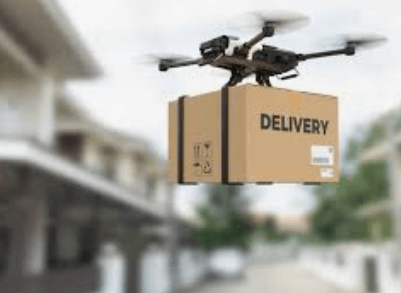
Autonomous delivery systems today comprise a range of unmanned platforms designed to move goods from distribution hubs to customers without human pilots or drivers.
They operate under defined regulatory frameworks, emphasizing safety and accountability.
Autonomous navigation enables dynamic path planning, while depot to door challenges highlight integration with facilities and last‑mile interfaces.
Pragmatic assessment focuses on reliability, cybersecurity, and standardization across operators.
How They Change Last-Mile Economics and Jobs
The shift from today’s autonomous delivery capabilities to their impact on last-mile economics and employment hinges on cost structures, productivity gains, and regulatory constraints.
An analytical assessment shows cost benefit hinges on capital depreciation, route optimization, and uptime.
Jobs reallocate toward higher-skill maintenance and software integration, while a measured workforce transition reduces friction and aligns incentives with efficiency, innovation, and regulatory expectations.
Safety, Privacy, and Regulation: Navigating the Hurdles
Safety, privacy, and regulatory considerations shape the deployment of autonomous delivery systems by defining acceptable risk levels, data governance standards, and compliance pathways; these elements determine where and how such technologies can operate at scale.
The analysis evaluates privacy implications, regulatory compliance, safety standards, and data governance to enhance urban resilience, cybersecurity, and equity considerations within insurance frameworks while balancing innovation and public trust.
The Roadmap to Adoption: Standards, Platforms, and Resilience
What concrete steps will accelerate deployment while preserving safeguards? The roadmap emphasizes standards consolidation to reduce fragmentation, platform interoperability to enable scalable ecosystems, and clear deployment scoping that delineates use cases and risk tolerance. It emphasizes resilience metrics for continuous verification, regulatory alignment for accountability, and transparent governance to balance innovation with safety, enabling measured, freedom-enhancing adoption across actors.
Frequently Asked Questions
What Are the Long-Term Environmental Impacts of Autonomous Delivery Fleets?
Autonomous fleets may reduce operational emissions through efficiency, yet unforeseen emissions could arise from charging infrastructure and vehicle lifecycle. Regulators should assess grid impacts, incentivize clean energy, and standardize charging protocols to ensure sustainable, freedom-friendly deployment.local
How Will Customer Service Adapt to Autonomous Delivery Dynamics?
Satire tinges the scene as customer service adapts to autonomous delivery dynamics, balancing customer expectations with route optimization, data privacy, and curbside access; analysts note pragmatic, regulatory rigor guiding interactions for an audience craving freedom.
See also: subiendoblass
Who Is Liable in Multi-Party Autonomous Delivery Incidents?
In multi-party autonomous delivery incidents, liability dynamics hinge on fault allocation frameworks, with clear delineations between manufacturer, operator, and network/platform responsibilities. Multi party fault allocation emerges through contractual, regulatory, and evidentiary standards guiding comparative accountability.
How Will Labor Unions Respond to Widespread Automation in Delivery?
Labor unions will monitor automation considerations, adapt delivery labor dynamics, and refine union strategies; they anticipate regulatory pressures, negotiate safeguards, seek transitional support, and advocate freedom-centric labor rights amid rapid deployment and market-driven automation. One upheaval aside, pragmatism prevails.
What Are the Economic Tipping Points for Rural Versus Urban Deployment?
Economic tipping points for rural versus urban deployment hinge on labor productivity, transport costs, and demand density, enabling livelihood replacement assessments; regulatory frameworks and regional subsidies shape feasibility, with urban economies often absorbing costs faster while rural areas require targeted incentives.
Conclusion
The trajectory of autonomous delivery hinges on interoperable standards, resilient platforms, and robust governance. Regulators will favor frameworks that balance innovation with privacy and safety, while operators pursue scalable, capital-efficient models. An illustrative statistic: studies show autonomous last-mile pilots achieving up to a 25% reduction in delivery times during peak periods when dynamic routing is deployed. This combination of disciplined regulation and platform diversity will underpin reliable service, workforce upskilling, and sustainable, compliant growth.